An American oligarch acquires critical energy infrastructure in Germany

A notorious donor to Donald Trump and the broader MAGA movement recently acquired a significant portion of Germany’s energy infrastructure.
Kelcy Warren is a founder and CEO of Energy Transfer, one of the largest midstream fossil fuel companies in the world with subsidiaries owning and managing pipelines throughout the continental United States. Last year, Energy Transfer sued Greenpeace for $660 million over its role in organizing protests against the Dakota Access Pipeline, of which Energy Transfer is a partial owner.
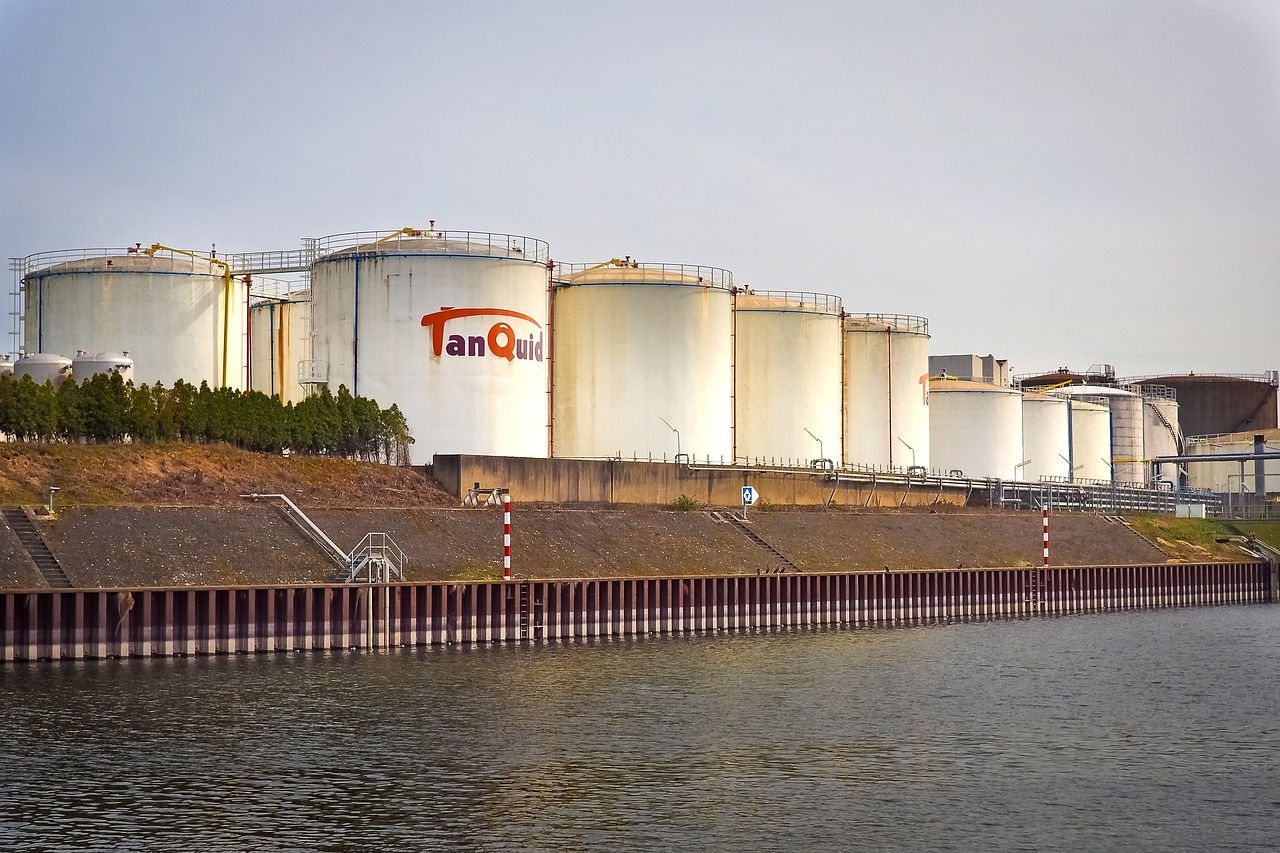
Sunoco, a subsidiary of Energy Transfer, recently bought TanQuid, Germany’s largest independent fossil gas storage company for €500 million, according to recent reporting by our member Paper Trail Media with Der Spiegel and ZDF and ACDC. Tanquid’s gas storage capacity at 16 sites in Germany and Poland is over three million cubic metres.
Experts have warned that the deal undermines Germany’s attempts to become independent in energy and key infrastructure sectors. Before the sale, Tanquid owned 49% of Fernleitungs-Betriebsgesellschaft, or FBG, which operates pipelines bringing fuel to several military bases in Germany. After the first reporting on the sale to Sunoco, the German government announced that Tanquid is required to sell its stake in FBG to the German military, which owns the other 51%, meaning Sunoco will not be in direct partnership with the Bundeswehr. Nonetheless, concerns persist. The energy spokesperson for the opposition Green Party, told ZDF: “It remains a grave mistake to sell critical infrastructure to an American oil billionaire and friend of Trump.”
These reservations reflect European alarms about its growing energy dependency on the US, from which Europe now receives over 40% of its gas. Moreover, the July 2025 EU-US trade deal committed the EU to buying $750bn of US energy by 2028. A recent policy brief by three European think tanks warned that increased dependence on the US for energy imports “exposes Europe to the risk of high costs, price volatility and geopolitical pressures.”
Sunoco’s ownership of gas storage sites creates yet another potential choke point. It allows Warren – a key Trump backer – to benefit personally from the continued energy trade, which would otherwise have decreased if Europe accelerated its transition to domestic renewable sources.
Energy policy is foreign policy
Concerns in European policy circles have been intensifying since Russia’s full-scale invasion of Ukraine in 2022. Europe’s dependence on Russian gas, coal and oil has historically given the Kremlin a powerful lever to influence bloc politics as well as a source of revenue to fund its increasingly aggressive foreign policy. The legacy of those relationships continues to cost European taxpayers. German newspaper Handelsblatt recently reported that German chemicals giant BASF has received multi-million Euro government payouts on the investment guarantees it had received for joint ventures in Russia. ACDC, Paper Trail Media and Global Witness have previously shown how such joint ventures implicated European majors Wintershall Dea and TotalEnergies in the military supply chains bringing fuel to Russia’s front-line bases attacking Ukraine.
Despite recent tensions, the US officially remains a strategic ally of both Germany and the EU. However, in November, the White House National Security Strategy explicitly stated that exporting more oil and gas will enable the US to “project power”, while warning against “civilizational erasure” in Europe due to migration, cheering far-right parties and rejecting a green energy transition not just in the US but around the world. Even as the Sunoco deal was reportedly being considered by the German Ministry for Economic Affairs, President Trump and senior administration officials were threatening European allies with tariffs over their defense of Greenland and Denmark against US attempts to seize the Arctic territory.
US foreign policy appears to be increasingly interwoven with the priorities of businesses and individuals close to the Trump administration. Under the doctrine of “America First,” these policies are targeted towards allies and adversaries alike. US interest in Greenland has been linked to business opportunities for Trump donors and associates, while the kidnapping of Venezuelan President Maduro in January 2026 was openly justified as regime change to benefit US oil companies. In November 2025, the Wall Street Journal reported that American businesspeople have been jockeying to benefit from the reintegration of Russia into the global economy if a peace agreement with Ukraine were to be secured. Front and center has been Trump campaign donor and personal friend of Donald Trump Jr. Gentry Beach, who has reportedly been in talks to acquire an interest in Arctic LNG 2, a massive gas extraction and liquefaction project on the Siberian coast sanctioned by the US in 2023 following an ACDC investigation into its Western suppliers.
American Oligarchs
The Sunoco-Tanquid story emerged from ACDC and Paper Trail Media’s brand-new database of American Oligarchs, a new mapping of ideologically aligned donors to President Trump and the MAGA movement with active business interests around the world.
For example, Kelcy Warren donated over $12.5 million to MAGA aligned campaigns in 2025, and gave over $5m to Trump’s 2024 election campaign. One of Trump’s first Executive Orders during his first term allowed the Dakota Access pipeline to come online. Moreover, according to The Revolving Door Project, Warren donated $10 million to a pro-Trump super PAC which later provided financing for the rallies preceding the January 6th insurrection. Trump reported shares in Warren’s company Energy Transfer in his 2015 and 2016 financial disclosures.
To be clear, tycoons and influential businesspeople have been a staple of US politics for centuries. Many benefited from US imperialist actions abroad long before the current Trump administration. But the present reality highlights the ascent of a new class of oligarchs whose business interests are so closely tied to the White House that much of their fortunes is dependent on political access. Shedding light on their global activities is vital to holding crony capitalism accountable and safeguarding commitments to democratic governance and environmental sustainability around the world.

Related Articles
 Investigations
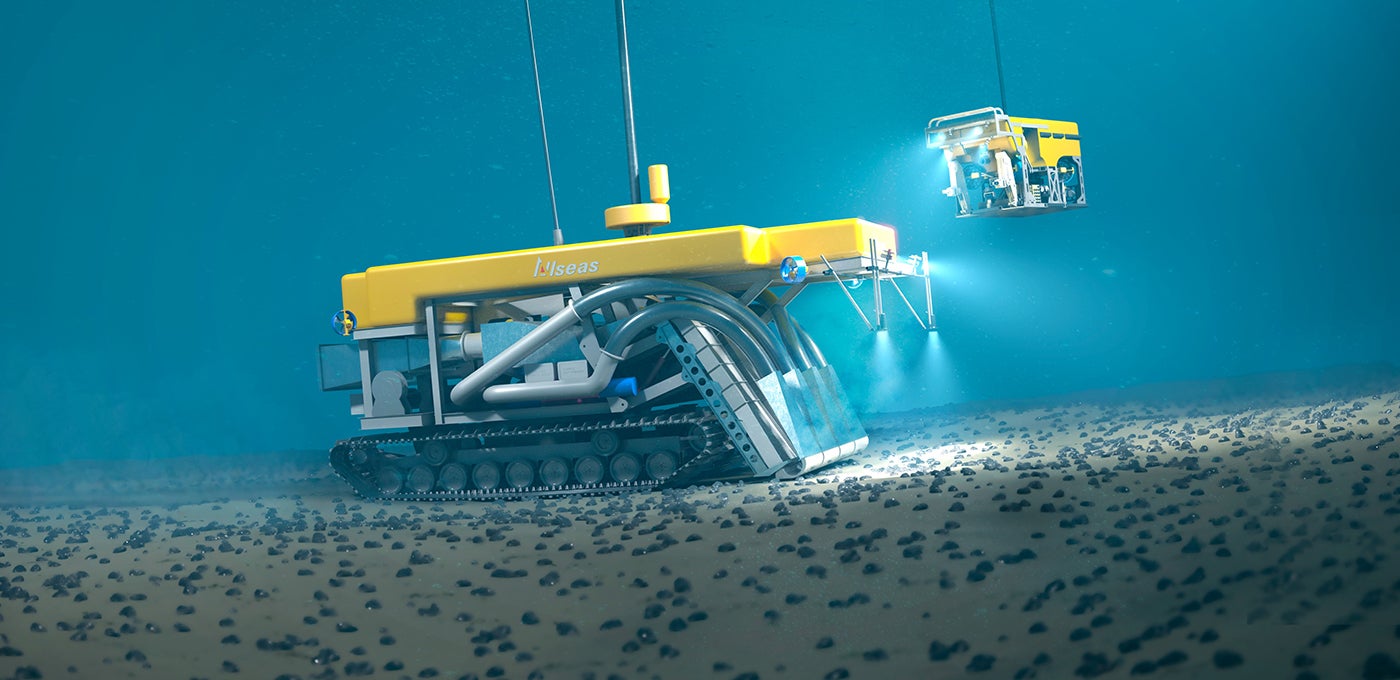
Deep Sea Mining: A New Frontier for Corporate Opacity and Undue Influence
Corporate and financial opacity reach new depths.
 Investigations
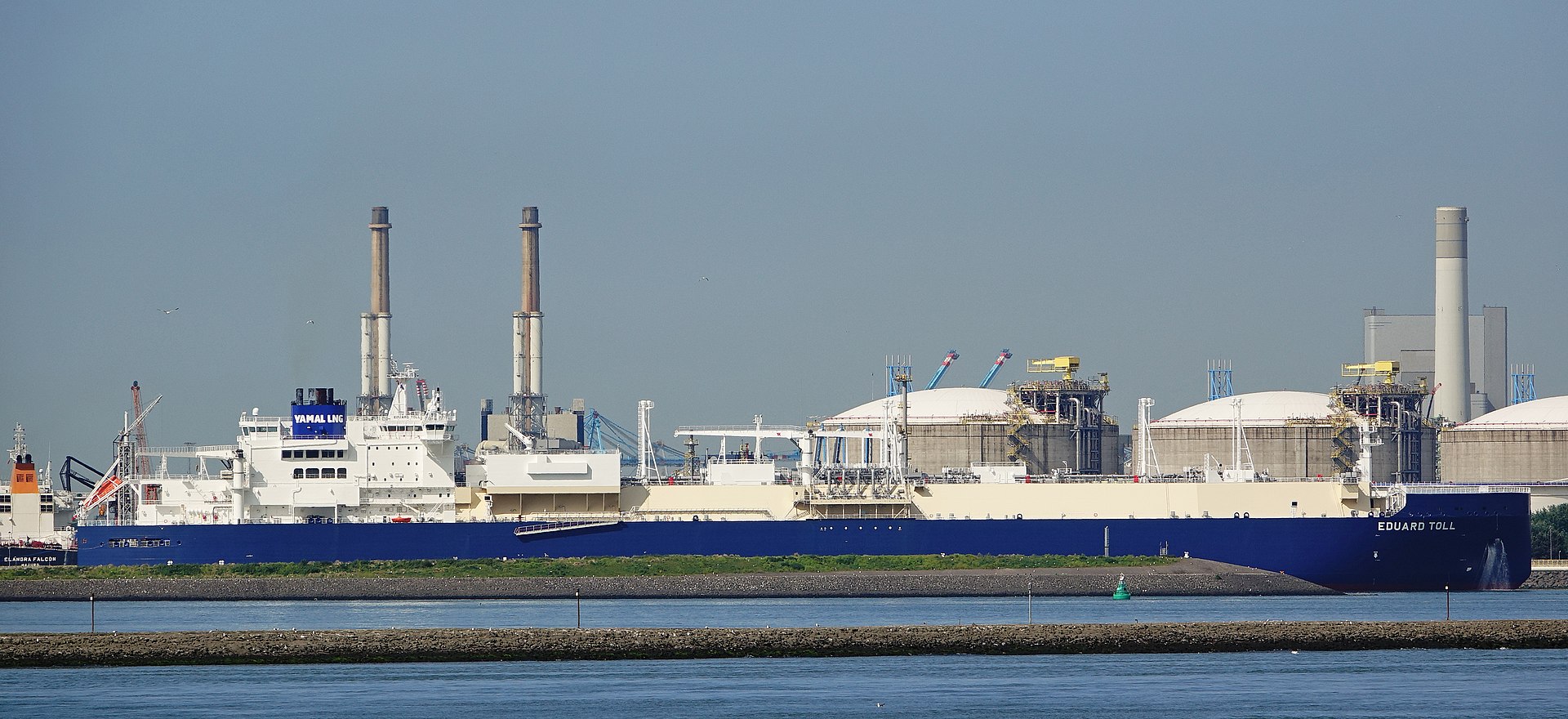
Private funds link pension holders to Russian oil and gas supply chains
If you’re an American or Danish pension holder, there is a chance some of your money has helped Russia get its oil and gas to market since the invasion of Ukraine.
 Investigations
Defusing a “carbon bomb” in Siberia
Throughout 2023, members of the Anti-Corruption Data Collective have examined how Western firms have supplied hardware and engineering services to Arctic LNG 2, a massive and highly strategic liquefied natural gas project in the far north of Siberia. Investigations published this week reveal new details of European firms’ support for the project since Russia’s invasion of Ukraine. Yet financial secrecy continues to hinder efforts to follow the money.