
How a Captured Bank Enabled Grand Corruption
Across the globe, financial institutions serve as the circulatory system of modern economies but, when corrupted, they become a pipeline for illicit wealth. Yet only rarely are we able to look inside these institutions’ internal operations and see the methods they use to move funds on behalf of their clients.
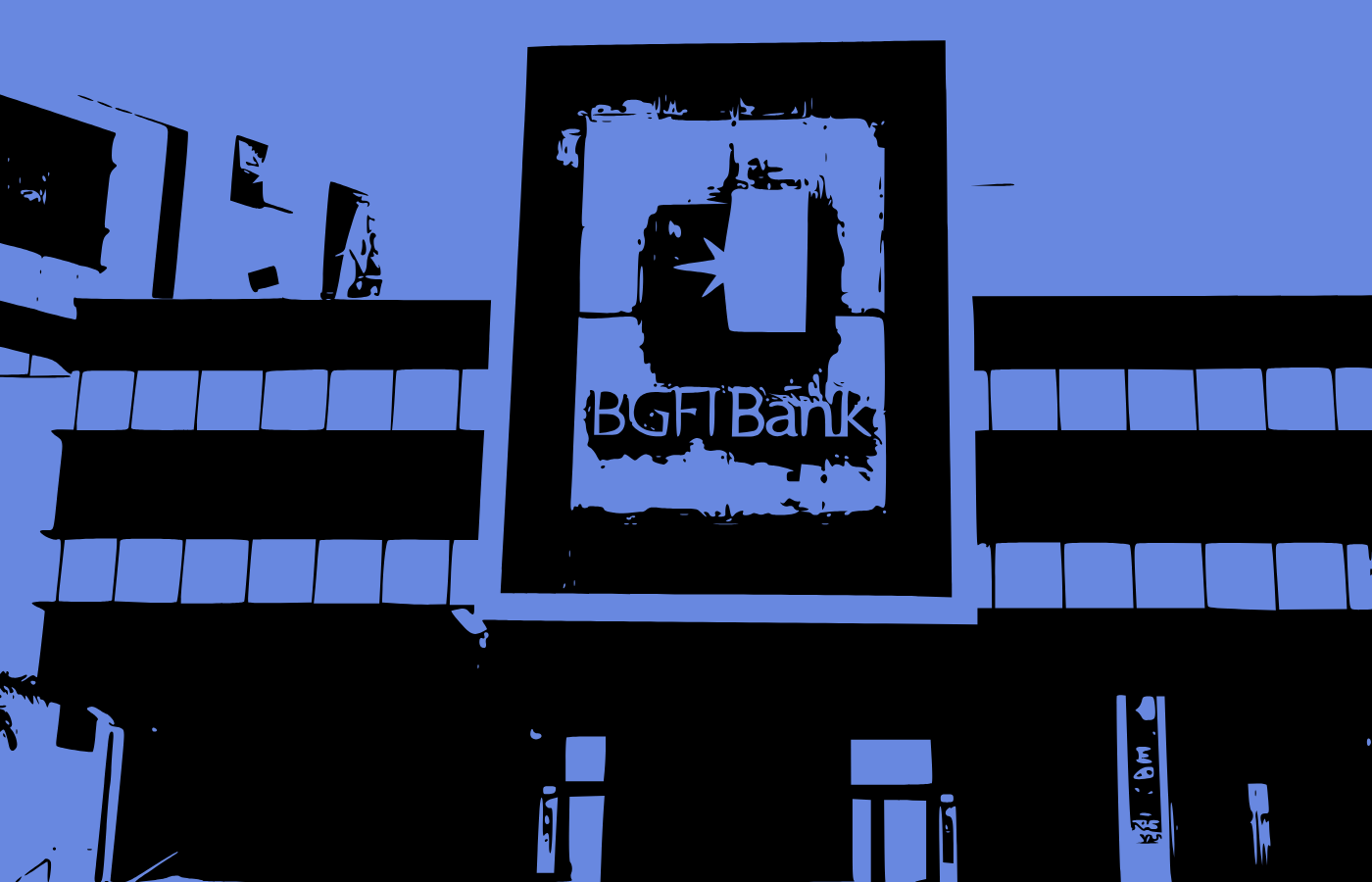
This briefing examines the high-level financial operation that transformed a privately-owned bank, BGFIBank in the Democratic Republic of Congo (DRC), into an engine of grand corruption. In 2021, this bank suffered the largest data leak in African history. Millions of documents analyzed in the subsequent Congo Hold-Up investigation revealed its looting by President Joseph Kabila and his associates. By collating insights from dozens of these journalistic reports, this briefing peels back the layers to reveal how corrupt financial enablers threaten the integrity of the international financial system.
We show how the Kabila network exploited a range of sophisticated methods to move funds both domestically and internationally. To achieve their illicit ends, senior BGFIBank DRC officials issued fictitious loans, justified payments with forged trade documents, turned internal bank accounts into slush funds, and executed massive fraudulent cash transactions, many of which were facilitated or ignored by bank insiders. Complicity stretched beyond Congo’s borders, implicating international correspondent banks and prominent auditors whose systems failed to stop the looting and laundering of millions of dollars.
We organize our insights within a typology of the five main activities used to facilitate illicit transactions: mis-invoicing of trade transactions, fictitious loans, fraudulent cash transactions, compromised internal bank accounts, and captured oversight and lax compliance. Importantly, many of the examples discussed in the briefing fit into several of these typologies, combining different techniques to structure, disguise, and shield illicit transactions from scrutiny by auditors, regulators, and international financial partners beyond the regime’s direct influence and control.
Far from being an isolated rogue operation, BGFIBank DRC represents a striking case study in corrupt political control over financial institutions. Allegations of similar abuses have surfaced in Azerbaijan, Turkey, Bangladesh, and parts of Latin America, where state-linked banks may have been co-opted into tools of kleptocracy. This pattern highlights systemic vulnerabilities in global banking oversight, especially in jurisdictions where institutional checks are weak. The lessons from BGFIBank DRC must be urgently learned and applied by regulators, policymakers and institutions across the financial system.
This research is part of the Governance & Integrity Anti-Corruption Evidence (GI ACE) programme which is hosted by the Centre for the Study of Corruption, University of Sussex and funded by UK International Development from the UK government. GI ACE generates actionable evidence that policymakers, practitioners and advocates can use to design and implement more effective anti-corruption initiatives. The views expressed here do not necessarily reflect the UK Government’s official policies.
 Inside the Congo Hold-Up: How a Captured Bank Enabled Grand Corruption


Related Articles
 Reports
The Opacity in Real Estate Ownership (OREO) Index
A new index assesses the strength of data frameworks and anti-money laundering legislation in 24 leading economies and financial centers.
 Reports
COP Co-Opted?
How Corruption and Undue Influence Threaten Multilateral Climate Action
 Reports
Money Laundering Risks in Commercial Real Estate
Analysis of cases from the past two decades reveals at least $2.6 billion in suspicious or illicit funds invested in U.S. commercial real estate, often involving politically exposed persons or Russian oligarchs.