

Some Polymarket users are making a lot of money by placing high-risk bets on wars. Research reveals patterns indicative of possible insider trading.
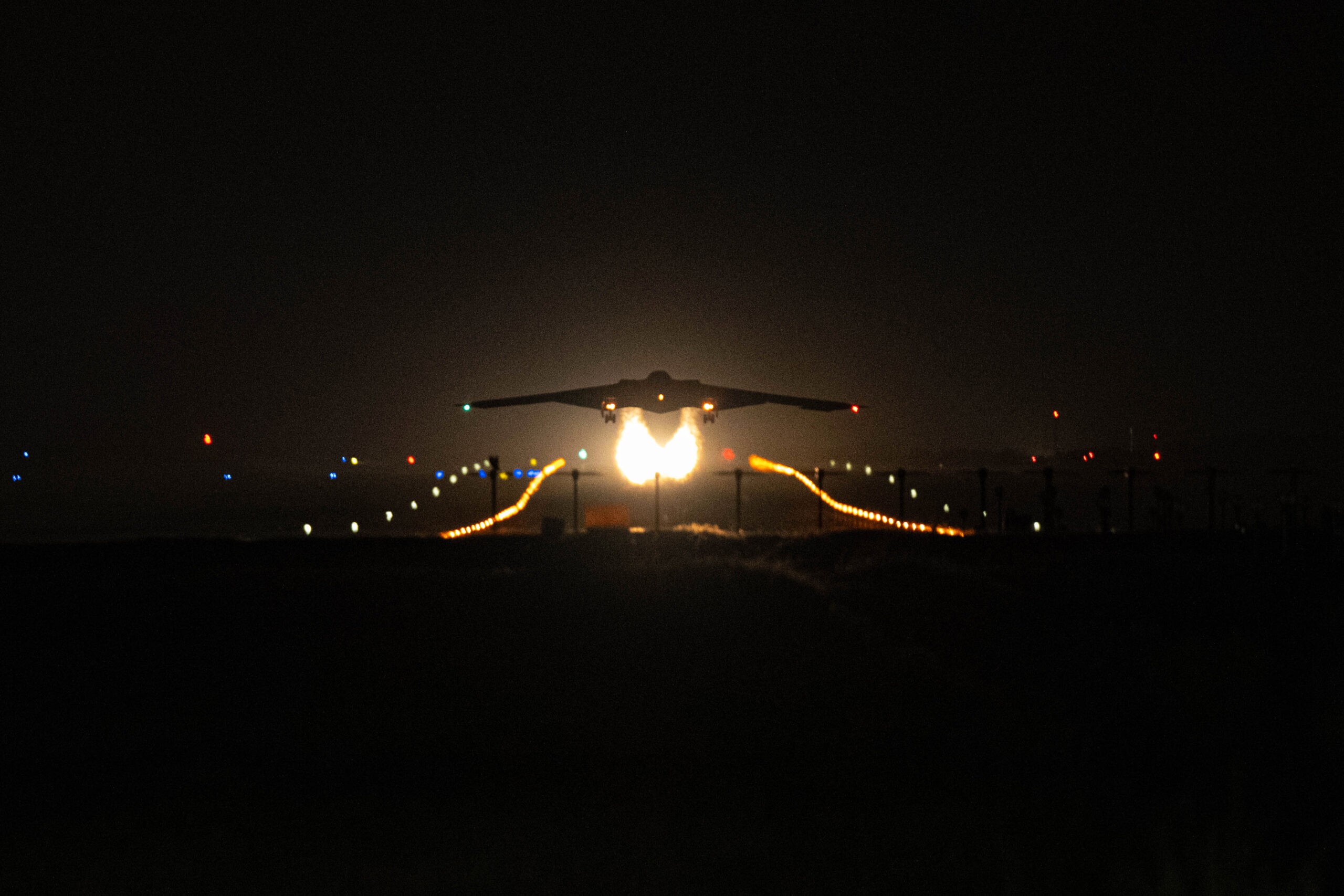
In Tehran, it was the dead of night. In Washington, it was 6pm on Saturday, June 21, 2025 when the US fighter jets entered Iranian airspace. Among the operation’s targets: Fordow – one of the most important facilities in Iran’s nuclear program. The planning of the operation was top secret. Only a small circle of government officials and military personnel could have known about it.
But while the attack was being prepared, something unusual happened online. A user named “Skoobidoobnj” became active on the betting platform Polymarket. About ten hours before the airstrike, they bet on precisely this scenario. “Skoobidoobnj” initially placed a bet of around one thousand dollars in the cryptocurrency USD Coin, according to research by Der Standard and the Anti-Corruption Data Collective. An hour later, they bet again. Later, they bet another $2000. Finally, more than $4,500. In total, the anonymous user placed bets worth nearly $9,000 on a US airstrike against Iran before midnight.
Ratio 1:10
The odds were about one to ten. Only someone who thought they knew more than everyone else would make such a bet against the market. When the first bombs hit the rock above Fordow, the bets paid off. “Skoobidoobnj” won over $100,000 in total. Due to the anonymity of Polymarket, the user could not be reached for comment by Der Standard.
“Skoobidoobnj” is not alone. Israel recently indicted a reservist for allegedly betting on military information. In the US, investigators have charged a special forces soldier who allegedly earned more than $400,000 betting on the operation against Venezuelan President Nicolás Maduro. The soldier appeared in a New York court on Monday and proclaimed his innocence. A trial has been scheduled for December.
Polymarket describes itself as “the world’s largest prediction market.” Users bet on the outcome of real-world events. In March 2026, monthly trading volume on the platform surpassed ten billion dollars for the first time. At the same time, more and more cases of alleged insider trading have surfaced. Polymarket did not respond to inquiries from Der Standard.
Just “a small fish”
Analysis by Der Standard and the Anti-Corruption Data Collective suggests that bets in which individual users wager on unlikely military events are increasing – and are correct with unusual frequency.
A Pentagon official recently revealed to CBS that the soldier accused of betting on Maduro’s kidnapping was just a “small fish.” In reality, there are “dozens” of similar cases.
Hunting for Insiders
To uncover potential insiders, the Anti-Corruption Data Collective, in collaboration with Der Standard, investigated particularly risky bets, known as longshot bets. These are high stakes wagers of at least $2,500 on events considered unlikely, with a maximum probability of 35 percent. In theory, such bets should be successful in maximum one out of three cases. However, in military-related longshot bets, more than half are successful. According to the Anti-Corruption Data Collective, potential insiders are active in these markets.
The user “0xoracle” also bet on a US attack on Iran on the day of the airstrikes last June. They placed their last bet just an hour before the strikes. “0xoracle” wagered almost $4,000 in total – some bets had odds as low as 1 in 20. The airstrike went ahead, and “0xoracle” won over $20,000.
Betting on the Destruction of Fordow
But they didn’t stop there. Polymarket also offered a market on the destruction of the Fordow nuclear facility. “0xoracle” had apparently not yet dared to place this bet. As a presumed insider, he could have known about the airstrike, but “0xoracle” seems to have only become certain of the facility’s destruction an hour after the attack, when they placed another bet. According to our research, in the evening of the airstrike, they bet more than $14,000 on the destruction of Fordow.
Whether everything was actually destroyed remained unclear – and therefore, so did the validity of the bet. With the market in doubt and prices falling, “0xoracle” sensed an opportunity and bet more than $4,000 between Monday and Tuesday on the site’s destruction before July. The odds were between a quarter and a third. Toward the end of the week, confirmation arrived, and “0xoracle” won again – this time over $13,000.
New Accounts
The user, who could not be reached for comment by Der Standard, apparently tried to cover their tracks. They don’t appear in any of the Polymarket rankings for any bets. The “0xoracle” account was apparently created specifically for these bets: the first it has ever placed. This, too, could be a pattern of concealment: “We are seeing more and more newly created accounts placing conspicuous bets,” says Michelle Kendler-Kretsch of the Anti-Corruption Data Collective. The theory behind the tactic is that no single account consistently appears to win. Instead, new accounts keep appearing, placing risky bets, then disappearing again.
This is how networks of betting profiles emerge. According to an analysis by the analytics firm Bubblemaps, nine interconnected Polymarket accounts generated more than $2.4 million in profit – almost exclusively through bets on US military operations. “These figures cannot be explained by luck alone,” says Bubblemaps founder Nicolas Vaiman.
Protected by Anonymity
While fraudulent stock traders fear that their bank or broker will report them to the regulatory authorities, this apparently rarely happens on Polymarket. Although the platform states that it cooperates with authorities, the specifics of this cooperation remain unclear. The platform did not respond to questions from Der Standard. However, Polymarket distinguishes itself from the competition in at least one respect: unlike rival platform Kalshi, Polymarket does not require proof of identity during registration. Furthermore, profits are paid out in cryptocurrency, making it even harder to trace who is behind them.
The two Polymarket users “0xoracle” and “Skoobidoobnj,” who made a small fortune betting on the US attack on Iran, remained active on Polymarket even afterward. “Skoobidoobnj” continues to bet on elections, politics, and headlines to this day, as if nothing had happened.
First published on June 11, 2026 in Der Standard as Profit mit dem Krieg: Die mysteriösen Wetten auf Polymarket. This article is a machine-assisted translation, edited by Michael Hornsby for ACDC.

Related Articles
 Investigations
The New Influence Machine
To gain influence in Washington, high-risk foreigners are turning to personal lobbyists rather than big firms.
 Investigations
Sanctions and Sanctuary: A Czech Spa Town and Kremlin-linked Russians
Journalists in Czechia have used data provided by ACDC to map the assets of sanctioned and politically exposed persons from Russia. A famous spa town stands out.
 Investigations
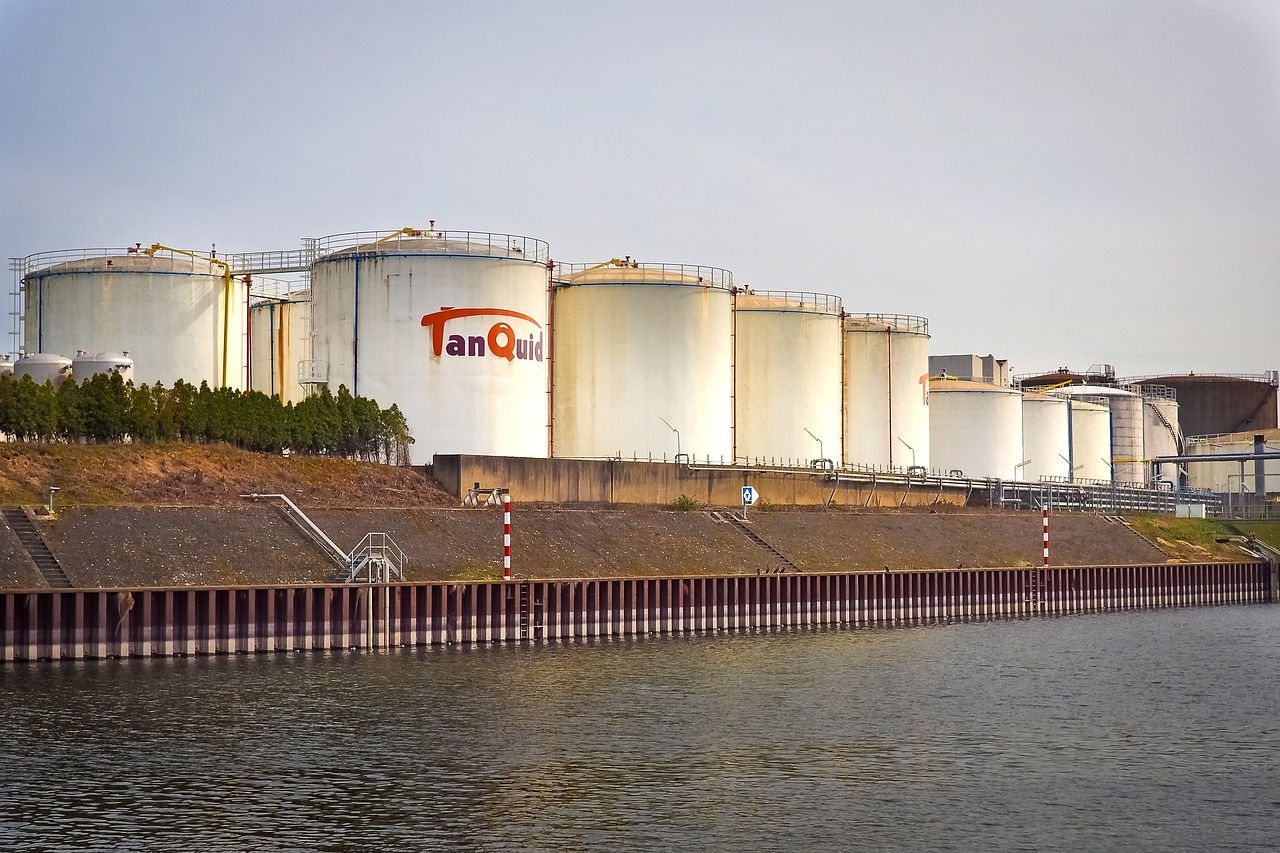
An American oligarch acquires critical energy infrastructure in Germany
A notorious donor to Donald Trump and the broader MAGA movement recently acquired a significant portion of Germany’s energy infrastructure.