Money Laundering and Correspondent Banking: Evidence from the Democratic Republic of the Congo

ACDC Working Paper 2
Experts estimate that money laundering exceeds US$2 trillion annually, undermining economies and public coffers worldwide. In response to regulatory and political pressures, many international banks have begun “de-risking,” as in severing ties with clients, sectors, or entire countries considered too risky to monitor. Yet we have little evidence about whether these measures actually curb illicit finance or merely push it into less transparent channels.
This academic working paper provides the first empirical test of de-risking using data from the Congo Hold-Up, the largest financial leak in African history, comprising over 3.5 million documents from BGFIBank. Drawing on bank statements, contracts, and correspondence from President Joseph Kabila’s final term, we first establish several indicators of clients especially likely to execute suspicious foreign transactions. After establishing how de-risking dramatically changed the composition of correspondent banks serving BGFI Bank DRC, we then find no evidence that these changes reduced the volume or number of transactions by these suspicious clients.
These results suggest that de-risking may do little to protect the overall international financial system from illicit financial flows.

This research is part of the Governance & Integrity Anti-Corruption Evidence (GI ACE) programme which is hosted by the Centre for the Study of Corruption, University of Sussex, and funded by the UK government’s Foreign, Commonwealth & Development Office (FCDO) through its Global Research and Technology Development portfolio. GI ACE generates actionable evidence that policymakers, practitioners and advocates can use to design and implement more effective anti-corruption initiatives. The views expressed here do not necessarily reflect the UK Government’s official policies.
 Money Laundering and Correspondent Banking: Evidence from the Democratic Republic of the Congo



Related Articles
 Reports
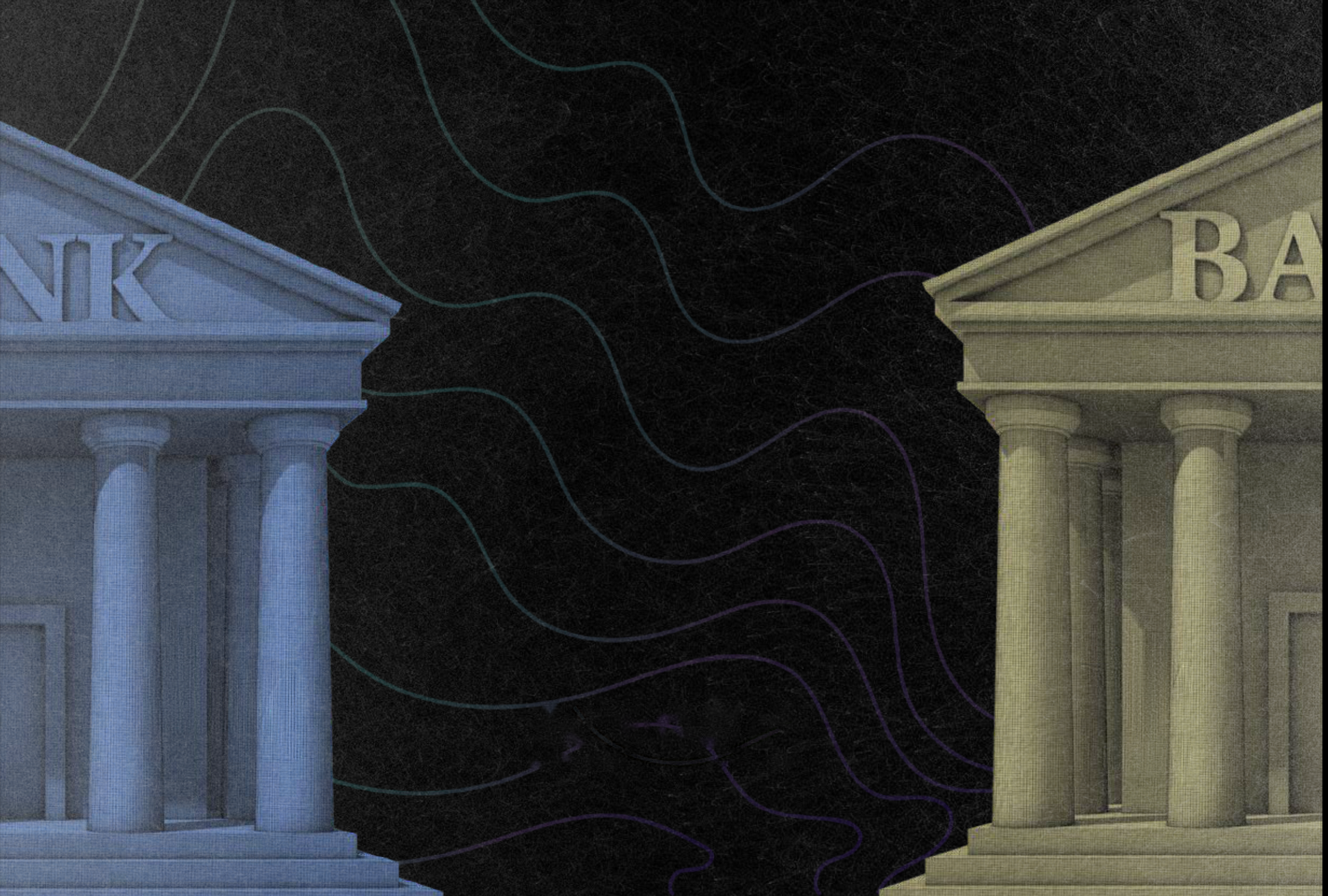
Correspondent Banking as a Vector of Illicit Financial Flows
This paper draws on leaked data to examine a case in which correspondent banks processed millions of dollars in suspicious transactions for a private bank that had been captured by the ruling elite of the Democratic Republic of Congo, BGFIBank DRC.
 Reports
Classifying Insider Trading Risk: Analyzing the Longshot Betting Ecosystem on Polymarket
In a follow-up to ACDC's earlier analysis of insider trading risk on Polymarket, this report defines a profile of digital wallet that most precisely indicates true insider traders. We find 152 such wallets active in military and defence markets.
 Reports
The Leniency Lobby: How the U.S. Lets Global Corruption off the Hook
Alleged criminals and corrupt politicians from around the world are spending millions to lobby for political support, pardons and sanctions relief in Washington, according to analysis of Foreign Agent Registration Act (FARA) filings by ACDC.