
Classifying Insider Trading Risk: Analyzing the Longshot Betting Ecosystem on Polymarket
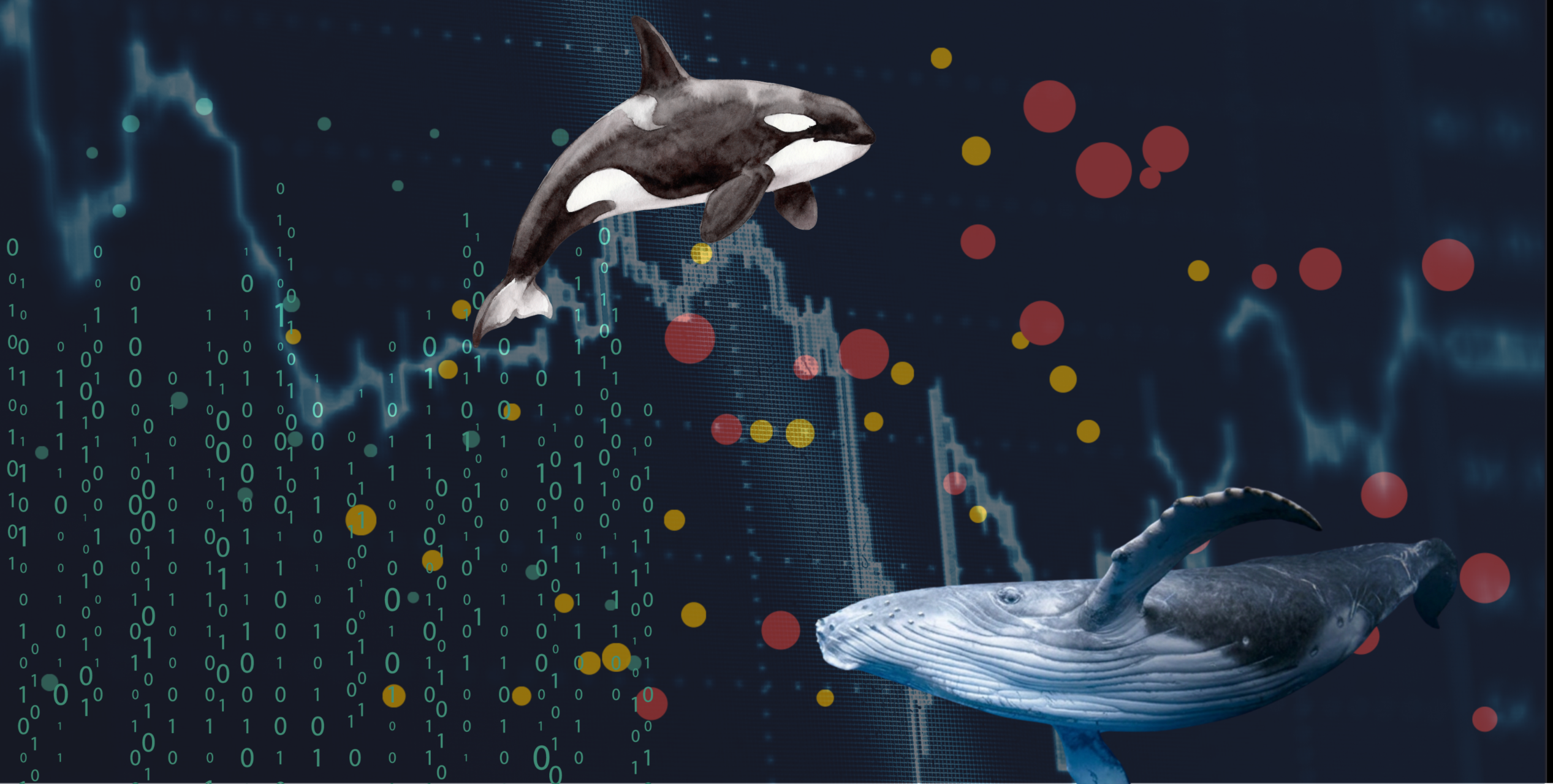
In a follow-up to ACDC’s earlier analysis of insider trading risk on Polymarket, this report defines a profile of Polymarket user that most precisely indicates true insider traders: Those which place bets in a small number of markets and on very few topics, and have a high success rate (> 75%) for longshot bets (defined as more than $2500 wagered at 35 cents or less). Instructively, this categorisation captures most of the egregious cases from prior media reporting on potential insiders, while also surfacing dozens more previously unreported wallets. We label these wallets “Orcas,” a distinct type of user making longshot bets in a far more targeted manner than high-volume, high-frequency, multi-market bettors (“Whales”) and wallets which appear to be at least partly automated (“Bots”).
We found that in the markets surrounding major military events, Orca wallets consistently placed their bets first, with Whales and Bots following behind. This is consistent with sophisticated traders monitoring the public blockchain for insider-like signals and piggybacking on them at scale. Orcas earn the highest returns on their bets, but highly capitalized Whales and Bots take home most of the overall profits.
This demonstrates the national security and political integrity risks of insider trading on military and political prediction markets: If financial speculators can quickly observe insider bets and act on them in real time, then so can militaries and intelligence agencies around the world.
Paradoxically, however, this is also the redeeming feature of Polymarket: the same data transparency that allows Whales and Bots to legally capitalize on the information advantage of others allows researchers and journalists to uncover potential insider trading.
However, if we want to follow the Orcas home, so to speak, we soon run into problems. The money trail from prediction markets is pseudonymous and frequently ends at a company that holds funds for thousands of customers at once, with the trail leading to the institution, not the person, who cannot be determined without subpoena power. Law enforcement investigations into suspected insider trading can take months. Meanwhile, other users can observe and capitalize on those accounts’ activity in real time. Limiting the type of people who can bet on prediction markets or relying on law enforcement investigations to enforce these bans will not be enough to tackle the threat and impacts of insider trading. Only outright bans on the types of markets most vulnerable to insiders can appropriately deal with the structural problems we uncover here.
 Classifying Insider Trading Risk: Analyzing the Longshot Betting Ecosystem on Polymarket


Related Articles
 Reports
The Leniency Lobby: How the U.S. Lets Global Corruption off the Hook
Alleged criminals and corrupt politicians from around the world are spending millions to lobby for political support, pardons and sanctions relief in Washington, according to analysis of Foreign Agent Registration Act (FARA) filings by ACDC.
 Reports
Insider Risks in Polymarket Political Markets
Comprehensive analysis of political betting reveals widespread insider trading risks, especially on military and defence markets.
 Reports
Find the Needles, Analyse the Haystack
This report shares findings and insights from the first phase of the Illicit Finance Data Lab, an initiative by ACDC and OCCRP to help scale up meaningful collaboration between investigative journalists and academic researchers working on illicit finance.